
### Understanding Gas Processing Systems and the Role of Isolation Valves
Gas processing systems are critical components in the handling and transportation of hydrocarbons. Because these systems involve hazardous and flammable elements, maintaining tight shutoff isolation requirements is paramount for safety, reliability, and profitability. This article delves into best practices for selecting isolation valves, especially suited for black powder environments, and shares operational techniques to ensure tight shutoff.
—
### The Challenge of Black Powder in Gas Processing
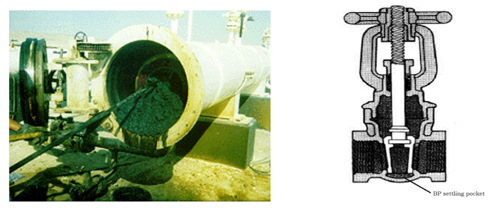
Black powder, comprised of carbon, iron oxide, and other debris, often infiltrates gas processing systems, introducing several significant challenges. It typically arises from various sources:
1. **Mill Scale**: This is a byproduct of the pipe manufacturing process, formed through high-temperature oxidation of steel.
2. **Flash Rust**: This occurs from hydrotest water corrosion and can lead to unwanted particulate matter entering the system.
3. **Internal Pipeline Corrosion**: The reaction of hydrogen sulfide (H₂S) with steel can exacerbate internal corrosion, compounding the issue of black powder.
4. **Carryover from Gas Gathering Systems**: Residual materials from upstream gas operations can travel into processing units, leading to further contamination.
The accumulation of black powder in the critical sealing area of a valve can severely impair tight isolation, endangering plant safety and integrity.
—
### Recommended Practice and Solutions for Existing Systems
To mitigate the challenges posed by black powder, two primary techniques can be employed to keep isolation valves functioning effectively.
#### Technique 1: Drain Residuals Outside the Piping System
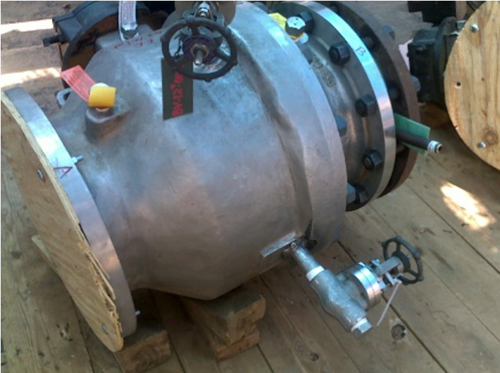
Accessing the lowest point of the valve through a drain connection allows for the expulsion of accumulated black powder.
– **Procedure**: When preparing to stroke the valve to its final position, it’s essential to drain any residuals first. This prevents the black powder from compacting into a rocky state.
– **Best Practice**: Stroke the closure element (e.g., gate or disc) up to 90% of its closure travel to create turbulence. This turbulence disturbs the settling black powder, ensuring that the closure element has a clear bed to rest against for effective shutoff.
#### Technique 2: Flush Residuals Downstream of the Valves
In cases where a direct drain point is unavailable:
– Partial valve closure should be implemented to allow particles to flow downstream.
– **Caution**: Full closure can lead to clogging, so it’s essential to maintain some degree of opening to facilitate flow.
—
### Solutions for New Construction
For new installations, selecting the right valves is crucial to minimize black powder accumulation.
1. **Valves with External Bottom Drain**: This option provides a robust means of managing residuals. However, care must be taken during loading and unloading to prevent damage to the drain connection.
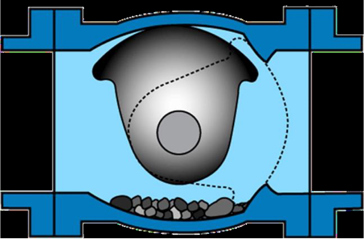
2. **Valves Designed to Prevent Residual Interaction**: Some valves are built in a manner that minimizes the chance of black powder accumulation at the valve’s bottom.
—
### Final Thoughts on Isolation Valves in Black Powder Environments
This article has examined the best practices for selecting isolation valves used in black powder environments, alongside effective techniques to minimize the buildup of black powder in existing systems and during new constructions. Implementing these strategies is not only beneficial for operational efficiency but critical for ensuring safety and integrity in gas processing systems.
—
### The Author
**O. Al-Amri** – Saudi Aramco, Dhahran, Saudi Arabia
Omar Al-Amri is a Piping and Valves Engineer at Saudi Aramco. He holds a BS degree in mechanical engineering from the University of Petroleum and Minerals and has amassed invaluable experience working for major companies in the sector. Al-Amri is also an API-570-certified engineer and holds several U.S. patents related to valves and piping components.