Power Grid Corporation of India on Saturday formalised the Joint Venture (JV) and Shareholders’ Agreements with the
Nepal Electricity Authority (NEA)
to set up two JV companies, one each in India and Nepal.
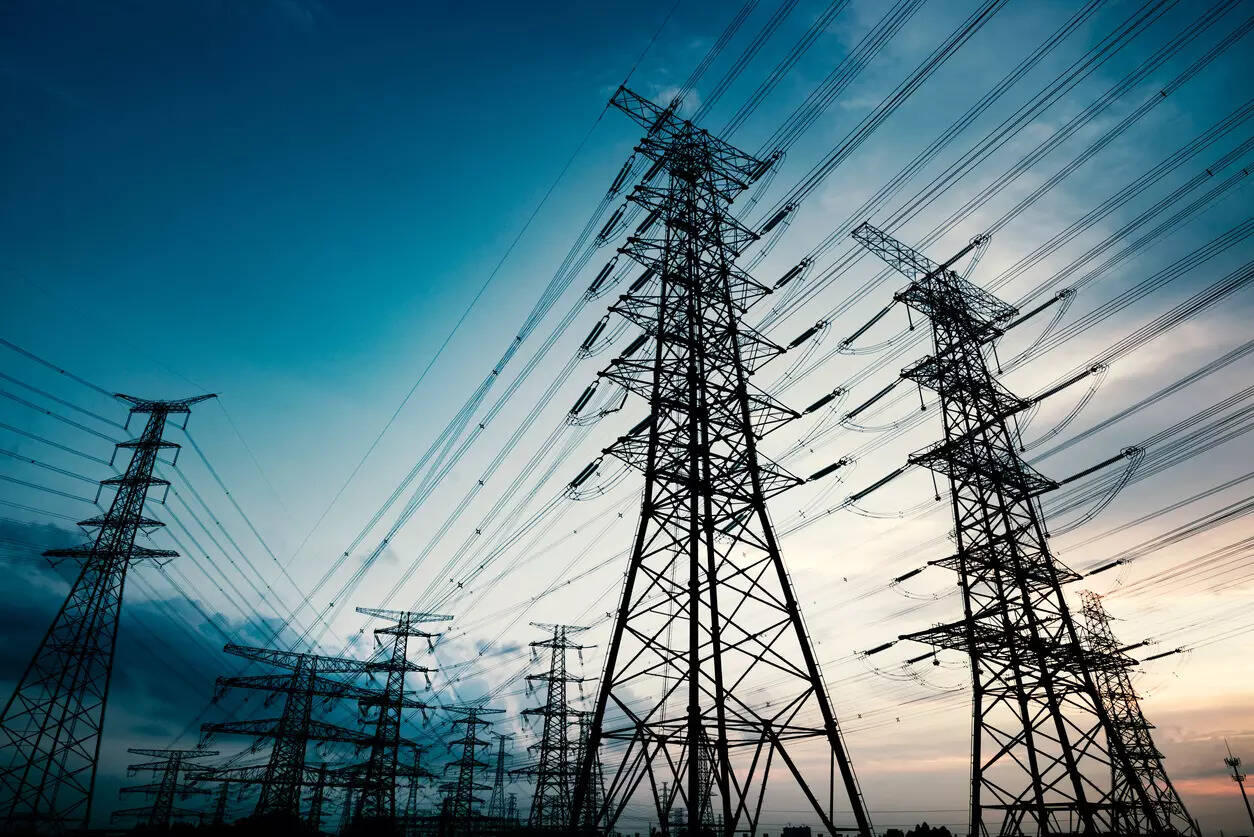
The two entities will be responsible for implementing high-capacity
cross-border transmission
infrastructure between the two countries.
The JVs will develop two 400 kV double-circuit (Quad Moose) transmission links:
Inaruwa (Nepal)–New Purnea (India) and Lamki (Dododhara) (Nepal)–Bareilly (India).
These projects form part of the planned
cross-border transmission
system between the two countries.
Under the Indian JV, Power Grid will hold a 51 per cent stake while NEA will hold 49 per cent.
The company will nominate three directors on a five-member board. For the Nepal JV, NEA will hold 51 per cent equity,
with Power Grid holding 49 per cent, and the board will comprise two directors each from Power Grid and NEA,
along with an independent director recommended by NEA.
The JV agreements between
Power Grid Corporation of India
and the NEA were initially signed on October 29 in New Delhi in the presence of Union Power Minister Manohar Lal Khattar
and Nepal’s Energy Minister Kulman Ghising.
The Union Ministry of Power, in a press statement, had stated that the JV agreements mark a major step in advancing
long-term regional power cooperation. The ministry noted that the new cross-border transmission corridors will
substantially expand the quantum of electricity that can be exchanged between India and Nepal,
strengthening energy security and improving grid stability across the region.


### Article Overview
This article discusses the recent joint venture agreements between the Power Grid Corporation of India and the Nepal Electricity Authority aimed at establishing significant cross-border transmission infrastructure between India and Nepal.
### The Joint Venture Agreements
On a notable Saturday, the Power Grid Corporation of India finalized essential agreements with the NEA. This collaboration aims to enhance electricity transit between the two nations by establishing two joint venture companies, each located in their respective countries. Through these ventures, the commitment to bolster high-capacity transmission infrastructure stands as a pivotal move for both parties.
### Infrastructure Development Plans
The JVs will develop impressive 400 kV double-circuit transmission links to facilitate electricity flow. The established routes include Inaruwa (Nepal) to New Purnea (India) and Lamki (Dododhara) (Nepal) to Bareilly (India). These routes are not just infrastructural improvements; they are crucial to the broader scheme of cross-border electricity exchange.
### Stakeholding and Governance Structure
The governance structure delineates specific roles in the joint ventures. Power Grid will have a 51% stake in the Indian company, while NEA will possess 49%. This proportional representation influences the board’s makeup which will include directors from both entities. Conversely, for the Nepal-based JV, the dynamics shift slightly with NEA controlling the majority stake.
### Significance and Strategic Value
The agreements symbolize a strategic leap in fostering regional power cooperation. The Union Ministry of Power acknowledged that these corridors would significantly boost electricity exchanges, fortifying energy security and stabilizing the grid across both nations.
### Engaging With Industry Insights
To keep both industry professionals and enthusiasts informed, a subscription option has been integrated. Joining the newsletter opens the door to valuable insights and updates in the energy sector. Additionally, access to an easy-to-use app enhances the convenience of staying updated.
This article serves as a window into the evolving energy landscape in South Asia, highlighting cooperative efforts that pave the way for enhanced electricity connectivity and security.