
The global energy order is undergoing a significant transformation, shaped by geopolitical tensions, concerns over supply security, and an urgent push towards green energy. In this evolving landscape, the Organisation of Turkic States (OTS) is stepping into a more strategic and political role, moving beyond mere technical cooperation in energy matters.
The recent 5th Meeting of OTS Ministers Responsible for Energy, held in Istanbul, marked a pivotal moment, indicating that the changes underway are not fleeting but rather part of a broader institutional transformation.
With its unique geographic positioning at the crossroads of energy routes from Central Asia through the Caucasus and Anatolia to Europe, the Turkic world is on the verge of becoming a key player in the global energy equation. This potential can be realized if these nations collectively apply their resource potential in alignment with a unified strategic vision.
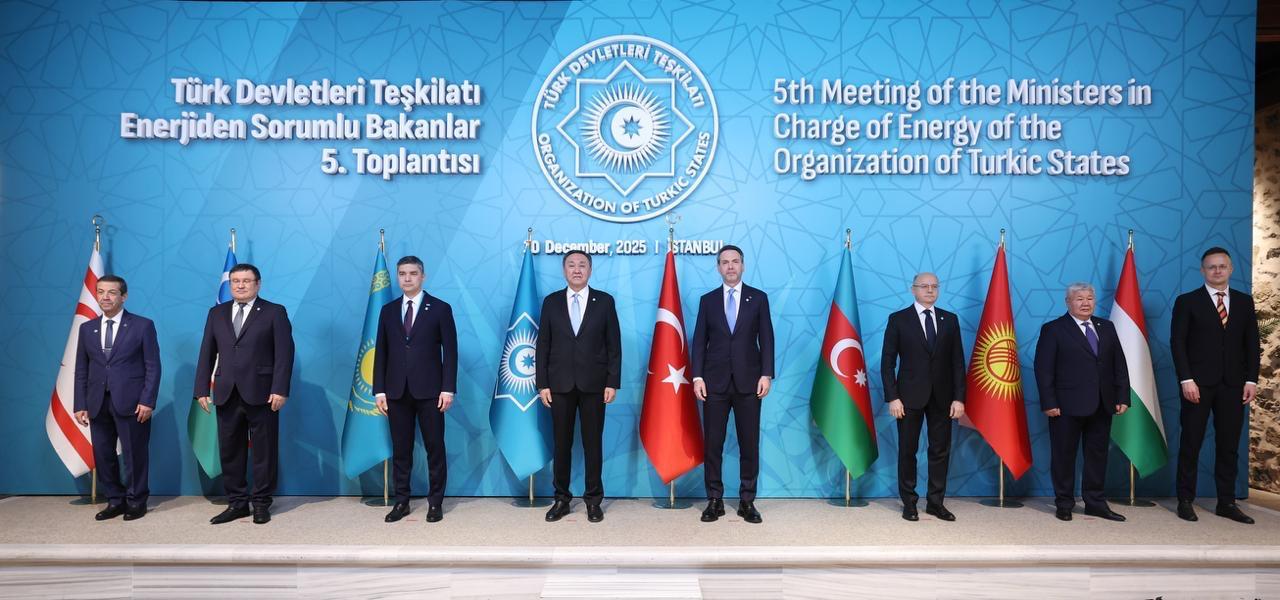

The 5th Meeting of the Ministers in charge of Energy of the Organization of Turkic States (OTS) was convened in Istanbul, Türkiye on Dec. 10, 2025. (Photo via X/Turkic_States)
Turkic World in Context of Energy Security
Despite the Turkic region’s vast potential in natural gas, oil, and renewable energy, there has been a persistent struggle to leverage this power into a cohesive strategy. Historically, energy cooperation has often been restricted to bilateral agreements and short-term national agendas.
The signal delivered at the OTS Energy Ministers’ Meeting underscores the need for a shift. In a world where energy markets are increasingly influenced by political factors and where supply can be used as a tool for pressure, the “everyone for themselves” mentality is no longer viable. Modern energy security must be built through regional cooperation and mutual interdependence.
Projects like Baku-Tbilisi-Ceyhan, TANAP, and the Southern Gas Corridor illustrate that when Turkic states collaborate, they can significantly impact Europe’s energy security beyond their narrow economic interests.
Given this context, it’s no surprise that the Trans-Caspian Natural Gas Pipeline has regained prominence, with discussions emphasizing its “concrete phase.” This development marks a departure from past hesitance in energy endeavors, showcasing a readiness to assume geopolitical responsibility within the Turkic world.
A crucial juncture for the OTS is evident: energy could either remain a mere export commodity generating economic gains or evolve into a lever for fostering regional stability and bolstering strategic autonomy while elevating the Turkic states’ role in the global power dynamic.
The Istanbul meeting reflects that choosing the latter path is no longer optional but necessary. Delaying integration will force the Turkic nations to adapt to energy frameworks controlled by other players in the future. The deciding factor lies less in available resources and more in the political will to unify this potential under a collective strategy.
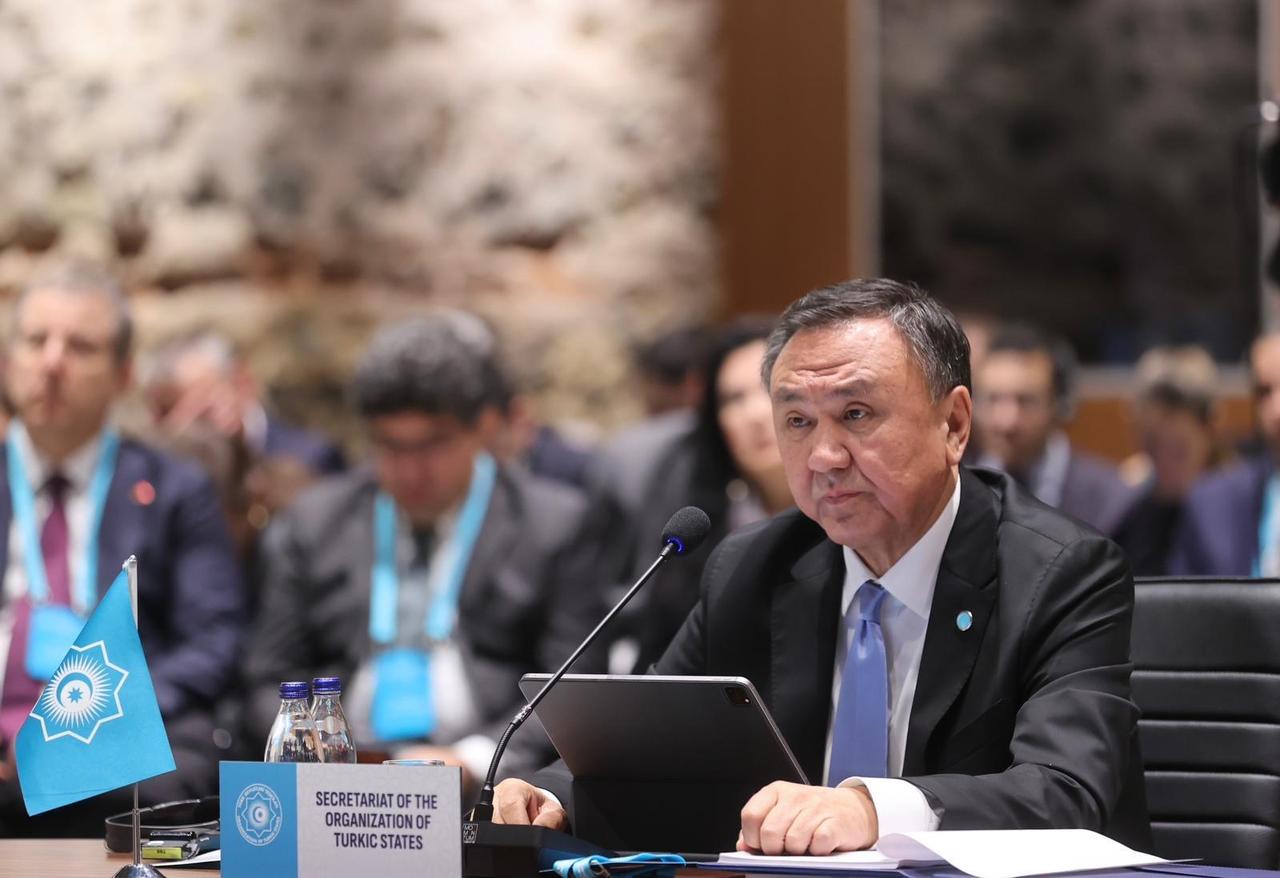
The 5th Meeting of the Ministers in charge of Energy of the Organization of Turkic States (OTS) was convened in Istanbul with the attendance of Ambassador Kubanychbek Omuraliev, Secretary General of the OTS, in Istanbul, Türkiye on Dec. 10, 2025. (Photo via X/Turkic_States)
Green Energy Corridor: Türkiye’s Strategic Role
Viewing the Green Energy Corridor as solely a technical initiative would be a grave miscalculation. This project symbolizes a significant transformation in how the Turkic region approaches energy.
The initiative seeks to transport electricity generated from renewable sources in Central Asia across the Caspian Sea to Türkiye and then into Europe, reinforcing the notion that energy diplomacy transcends traditional pipelines and fossil fuels.
This model, aiming to link the electricity systems of Turkic states comprehensively, calls for a new level of integration in energy cooperation.
Türkiye’s role becomes crucial in this context. It is not merely a transit route or a technical hub but emerges as a key diplomatic player, negotiating and guiding these discussions.
With its infrastructure, trading experience, financial capability, and advantageous access to European markets, Türkiye stands as a natural centerpiece of this Green Energy Corridor.
In the face of an increasingly politicized energy market, the corridor represents a strategic asset for the Organisation of Turkic States.
Given the critical vulnerabilities in energy supply that even affect the European Union, establishing a common energy market and coordination mechanism within the OTS is both a bold and logical step.
However, it must be emphasized that the success of this vision hinges on developing resilient institutional frameworks, rather than relying solely on ambitious rhetoric.
Joint investment funds, clearly defined technical roadmaps, and effective decision-making mechanisms are essential to ensure that the Green Energy Corridor has a genuine and transformative impact.
The discussions in Istanbul have shown that there is a robust political commitment towards this vision. If converted into a sustainable strategy, the Turkic world could evolve from being merely an energy supplier to a prominent actor in the global balance of power, capable of shaping energy norms and policies.

December 17, 2025 01:38 PM GMT+03:00