
Rosatom to Support Uzbekistan in Radioactive Waste Management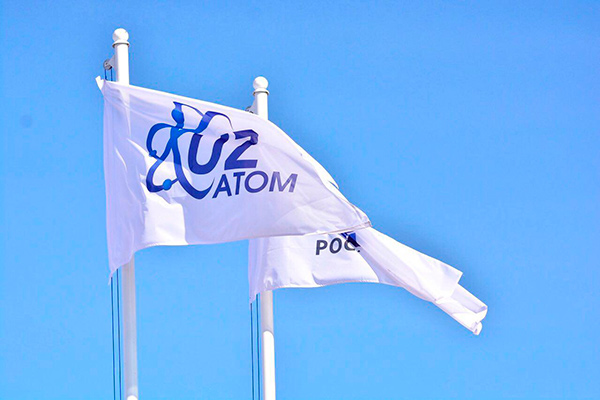
—
### Partnership for Safer Nuclear Practices
Recently, a significant partnership has emerged between the Russian state corporation Rosatom and Uzbekistan’s Agency for Atomic Energy (Uzatom). A memorandum of understanding has been signed with the objective of enhancing the management of radioactive waste and the decommissioning of nuclear facilities within Uzbekistan. This collaboration is vital for ensuring safe handling practices in a nation that is increasingly integrating nuclear energy into its economic strategy.
### Key Components of the Agreement
The memorandum outlines a multifaceted approach to cooperation, tapping into scientific, technical, and commercial areas. Rosatom’s JSC TVEL, which oversees the corporation’s Fuel Division, will provide critical advisory support aimed at establishing a robust national framework for radioactive waste management. This includes training skilled personnel who will be essential in maintaining safety and efficiency in handling radioactive materials.
Central to the agreement is the exchange of best practices and technologies in the field. Eduard Nikitin, the Director at JSC TVEL’s Decommissioning and Radioactive Waste Management Division, emphasizes the need for a modern nuclear industry to adopt comprehensive preparation measures, including regulatory frameworks aligned with international safety standards.
### Historical Context and Experience
Rosatom brings a wealth of international experience to this partnership. For instance, in Belarus, the state enterprise BelRAO was established, drawing from Russia’s National Operator for Radioactive Waste Management. This partnership exemplifies how shared knowledge can lead to the successful management of radioactive materials, paving the way for similar initiatives in Uzbekistan.
Moreover, just last year, a similar agreement was reached between JSC TVEL and Kazakhstan’s National Nuclear Center. This illustrates a broader trend of regional collaboration aimed at enhancing nuclear infrastructure and safety across Central Asia.
### A Comprehensive Nuclear Program
The collaboration goes beyond just waste management. Russia and Uzbekistan are engaged in an expansive program aimed at the peaceful use of nuclear energy. A noteworthy aspect of this partnership is the recent contract for constructing a nuclear power plant in the Jizzakh Region, featuring Russian-designed RITM-200N reactors. This venture marks a significant milestone, as it’s the world’s first export contract for a small modular reactor.
Simultaneously, JSC TVEL is closely working with Uzbekistan’s Institute of Nuclear Physics to ensure adequate fuel supply for the country’s research reactor. An additional educational effort includes the establishment of a branch of the National Research Nuclear University MEPhI in Tashkent, which is dedicated to training the next generation of nuclear scientists and engineers.
### The ‘Nuclear Backend’ System
The initiative encompasses a “nuclear backend” system, which involves three critical components: the safe management of radioactive waste, the handling of spent nuclear fuel, and the decommissioning of outdated facilities. This broad approach helps streamline operations and ensures that all aspects of nuclear energy management are covered effectively.
Since 2019, JSC TVEL has positioned itself as an integrative leader in this sector, focusing on consolidating expertise, developing new technologies, and administering the full cycle of activities required for environmental rehabilitation or conversion of decommissioned sites back into economic use.
### Regional Leadership and Recognition
In recognition of its expertise, the CIS Economic Council designated JSC TVEL as the Base Organization for CIS countries concerning the management of spent nuclear fuel and radioactive waste. This designation underscores a commitment to shared solutions and collaborative projects throughout the region, facilitating the development of safe nuclear practices universally.
### Regulatory Frameworks and Future Prospects
On the national front, Uzatom has been established as Uzbekistan’s regulatory body, overseeing the country’s nuclear program and ensuring adherence to safety standards. This regulatory foundation is crucial for managing both nuclear energy initiatives and the associated risks.
As Russia continues to strengthen its international ties, especially with countries like Uzbekistan, the focus remains on shared growth, knowledge transfer, and the advancement of technologies that promote safety in the nuclear sector. The ongoing collaboration between Rosatom and Uzbekistan not only holds promise for the future of nuclear energy management in the region but also sets a model for international partnerships in addressing shared challenges in radioactive waste management and nuclear safety.