
Harnessing the Power of Geothermal Energy in the Philippines
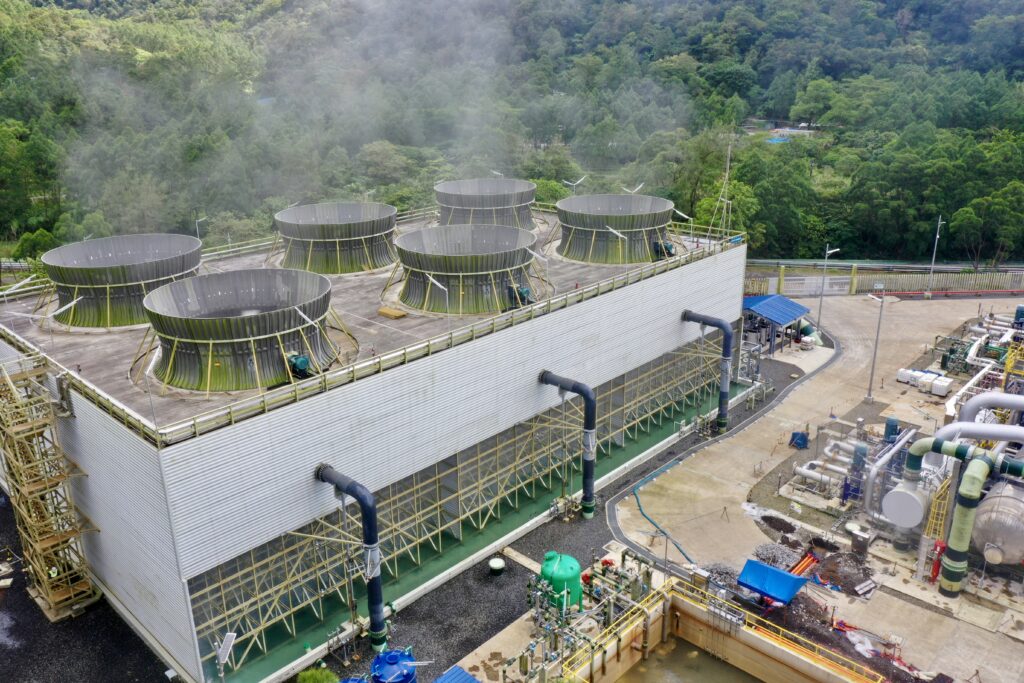
The Palayan Bayan binary geothermal power plant in the BacMan site in the Philippines (source: EDC)
The Green Energy Auction: A New Frontier for Geothermal Energy
Recently, the Philippines’ Department of Energy (DOE) made significant strides in its renewable energy initiatives by awarding a total of 30.9 MW in geothermal capacity through its third Green Energy Auction (GEA-3). This milestone, however, has garnered mixed responses, with awarded figures falling short of the ambitious 100 MW target set by the DOE.
Key Players and Projects
The awarded capacity results from submissions from the prominent developer Energy Development Corporation (EDC) and its subsidiary, Bac-Man Geothermal, Inc. (BGI). The projects are set to come online between 2025 and 2027. Specifically, EDC’s contracts include the Mindanao 3 binary geothermal power plant and the Bago binary geothermal power plant, which collectively produce 9.3 MW. The rates for these projects range from PhP 5.1092 to 7.6441 (approximately USD 0.091 to 0.14 per kWh). Meanwhile, BGI secured a 21.5 MW contract for the Tanawon geothermal power plant at a fixed rate of PhP 7.6441 per kWh.
Supporting the Energy Transition
The GEA-3 aims to bolster the Philippines’ energy transition by incorporating new capacities derived from various renewable sources, such as geothermal, hydropower, biomass, and impounded ocean energy. Across all technologies, a whopping 6,720.2 MW were awarded, marking a notable achievement in the nation’s push towards sustainable energy solutions.
Potential Hurdles and Challenges
Despite the overall success of the renewable procurement program, the underwhelming geothermal results raise critical questions about project preparedness and commercial viability. This was the first time the DOE opened GEA-3 to geothermal projects, aiming to broaden the renewable energy mix beyond the usual solar and wind technologies. It suggests that while there is enthusiasm for renewable energy, the geothermal sector might face unique challenges that require attention.
Geothermal’s Role in the Renewable Energy Roadmap
The awarded geothermal projects play a vital role in the DOE’s Renewable Energy Roadmap, which outlines ambitious goals: increasing the share of renewable energy to 35% by 2030 and 50% by 2040. As part of this roadmap, the successful implementation of these geothermal projects not only addresses energy needs but also contributes to the reliable and sustainable growth of the country’s energy landscape.
Through strategic efforts like GEA-3, the Philippines aims to position itself as a leader in renewable energy in Southeast Asia, leveraging its geothermal potential to pave the way for a cleaner, greener future.
This ongoing journey underscores the importance of commitment from both stakeholders in the energy sector and the government to navigate challenges and seize opportunities for advancement in renewable energy.