
This article was originally published on 29th November 2023 and updated on 22nd May 2025.
Despite ongoing global initiatives aimed at combatting climate change, no single country’s efforts align with the Paris Agreement’s target of limiting global warming to 1.5°C above pre-industrial levels. This grim assessment comes from the Climate Action Tracker, a scientific project that monitors national climate efforts as of December 2024. A key area of focus is the electricity sector, which accounts for a significant portion of CO₂ emissions. In this context, it’s vital to identify which countries are at the forefront of low-carbon electricity generation.
Hydropower
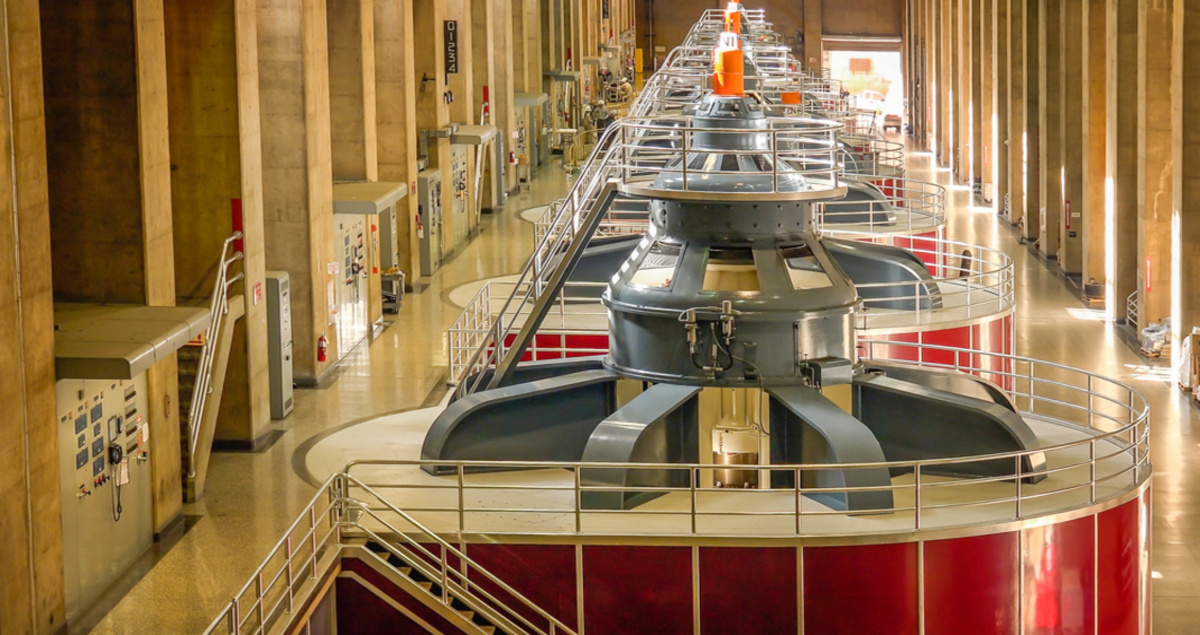
Hydro energy is one of the oldest forms of renewable energy, tracing back to water mills used for grinding grain. In 2023, China emerged as the global giant in hydroelectric power, boasting a generation capacity of 422GW, which constitutes around 30% of the world’s total hydro capacity. Notably, China is home to the world’s largest hydropower plant, the 22.5GW Three Gorges Dam. However, with many of the country’s most promising hydro sites already developed, future capacity increases may be limited.
Brazil follows in a distant second with just under 110GW and the United States ranks third with 103GW. The US was among the pioneers in hydroelectricity, with early plants established at locations like Grand Rapids, Michigan, and Niagara Falls since the 1880s, primarily to provide localized energy and light.
Wind Energy
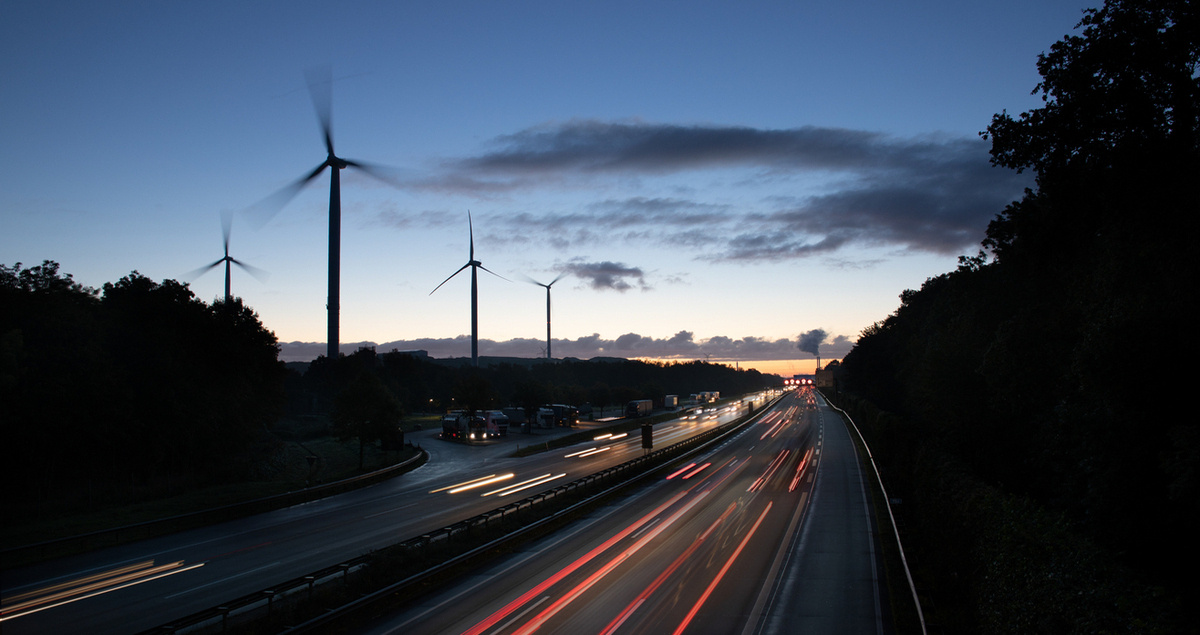
Again, China takes the lead in clean energy generation with wind power, achieving an installed capacity of 442GW in 2023. This figure accounts for about 43% of global wind capacity, marking a substantial jump from 366GW in the previous year. The country’s vision includes extensive investments in both onshore and offshore wind farms, in addition to solar power. Notably, China recently implemented its first energy law aimed at transitioning away from fossil fuels while creating a more integrated energy network.
Trailing China, the United States boasts 148GW in wind capacity, making wind the leading source of renewable electricity generation in the country—responsible for over 10% of the nation’s total electric output. Germany stands third with 69GW, slightly up from 66GW in 2022. In a bid to secure energy independence, the German government has reduced bureaucratic hurdles and set ambitious targets to stimulate wind energy growth.
Solar Power
The landscape of solar energy mirrors that of wind, with China once again in the lead, boasting 610GW of solar power—an impressive 55% increase from 393GW in 2022. The US comes in at a strong second with 139GW of capacity. However, Japan unexpectedly emerges as a significant contender, ranking third with 89GW of solar energy as per IRENA’s data.
In response to the Fukushima nuclear disaster and the escalating climate crisis, Japan prioritized solar energy expansion. The country has become a leader in solar technology, including innovative floating solar panels on bodies of water, effectively navigating its limitations as a mountainous island nation.
Geothermal Energy
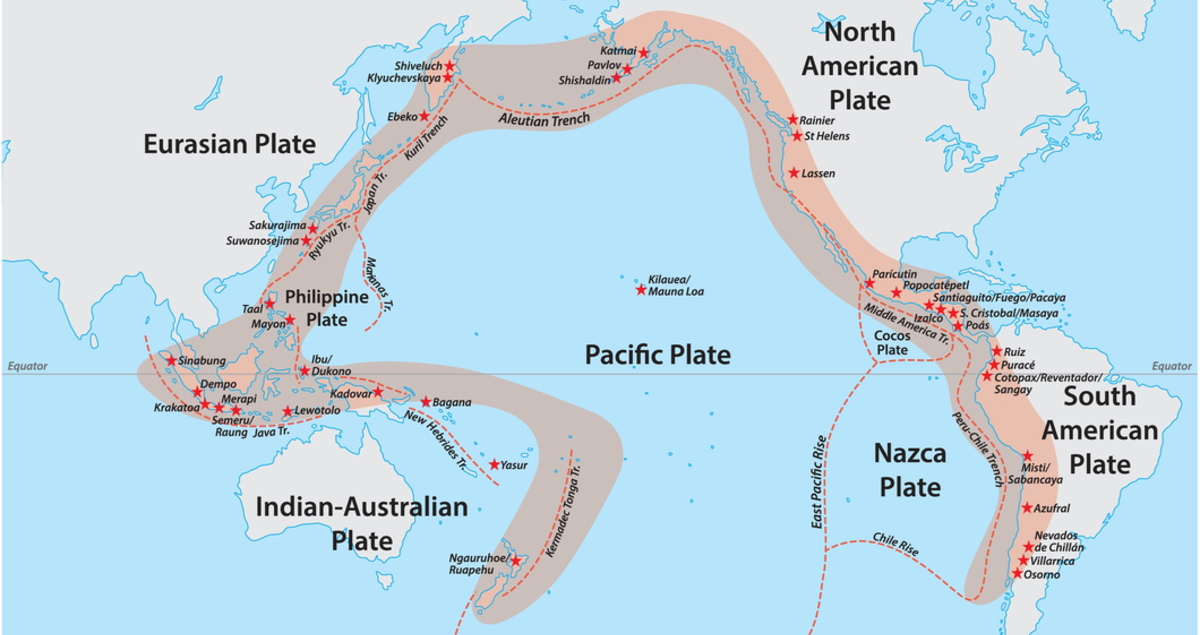
Geothermal energy harnesses the Earth’s internal heat, providing a continuous source of low-carbon energy. However, its availability depends significantly on geographic factors. The United States leads the world in geothermal energy production, boasting a capacity of 2.67GW. Interestingly, nearly 30% of global geothermal capacity is found in two Southeast Asian nations: Indonesia (2.59GW) and the Philippines (1.95GW), both located near the renowned volcanic ‘Ring of Fire’ in the Pacific Ocean.
Experts predict that countries situated along the Ring of Fire will enhance their geothermal capacity to meet decarbonization targets. This includes developing enhanced geothermal technologies that promise to access previously untapped resources, especially in the United States.
Nuclear Power
Nuclear energy, once stigmatized due to historical accidents, is experiencing a resurgence as a reliable, cost-effective source of low-carbon electricity. The US leads in nuclear power generation, with an installed capacity of 97GW as of February 2025, followed by France with 63GW and China at 55GW. China, however, is on track to become the dominant player, with nearly 30GW of nuclear capacity currently under construction, potentially surpassing the US by 2030.
As the world grapples with the urgency of global warming, leading nations in renewable electricity play a pivotal role. They are not only expanding their own low-carbon capacity but also providing support to emerging regions on their journey toward sustainability.