
This article was originally published on 29th November 2023 and updated on 22nd May 2025.
Despite continued global efforts to slow climate change, no single country’s efforts align with reaching the Paris Agreement’s target of limiting global warming to 1.5°C above pre-industrial levels. This is the sobering verdict of the Climate Action Tracker, a scientific project that measures countries’ climate action, as of December 2024.
With the electricity sector being one of the largest sources of CO₂ emissions, understanding which countries lead the charge in low-carbon electricity generation becomes crucial. Some of the leading nations might surprise you.
Hydropower
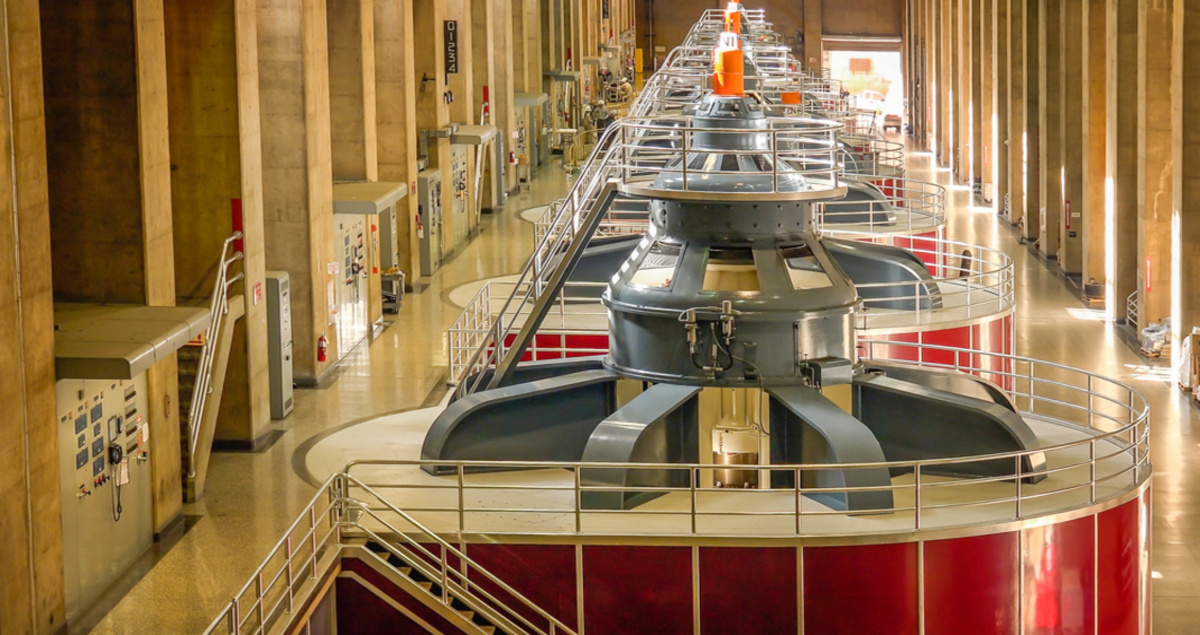
Hydroelectricity is one of the oldest forms of energy generation, dating back to the water mills that ground wheat into flour. In 2023, China claimed the title of the world leader in hydroelectric power, according to the International Renewable Energy Agency (IRENA).
China’s hydro generation capacity reached an impressive 422GW, accounting for around 30% of the global total. Moreover, it boasts the world’s largest hydropower plant, the 22.5GW Three Gorges Dam. However, as most large potential hydro sites have been developed, any significant future capacity increases are expected to be limited.
Following China, Brazil secures the second spot with just under 110GW, while the United States closely follows with 103GW capacity as of 2023. The US was among the pioneers in hydroelectricity adoption in the world, with early plants constructed at sites like Grand Rapids, Michigan, and Niagara Falls since the 1880s. These early projects primarily provided power for local mills and lighting.
Wind Energy
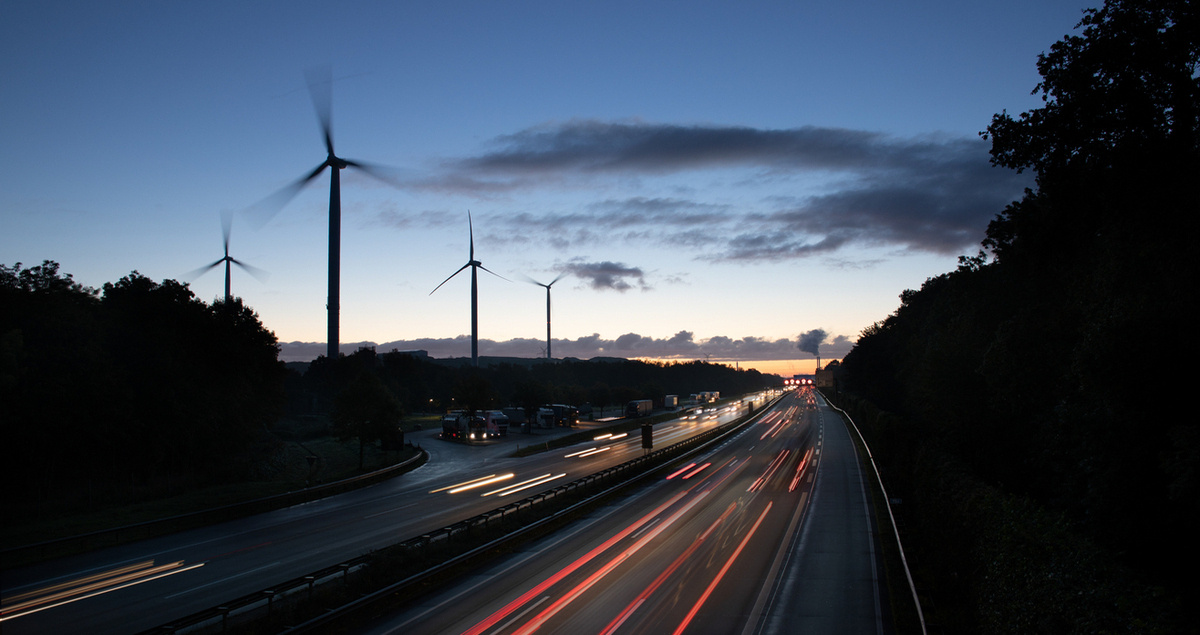
China also leads globally in wind power capacity, boasting 442GW in 2023—about 43% of the world’s total. This remarkable growth from 366GW the previous year underscores China’s commitment to renewable energy. The nation plans to expand its wind capabilities with large onshore and offshore wind farms, integrating these into a broader energy strategy that includes hydropower.
The US ranks second, with 148GW of wind power capacity in 2023. Wind energy has become the largest source of renewable electricity generation in the United States, contributing over 10% of the country’s total electrical output and continuing to grow steadily.
Germany holds the third position with a wind energy capacity of 69GW, up from 66GW in 2022. The German government has streamlined regulations and set ambitious targets to enhance wind energy production, positioning it as a vital component of national energy strategy.
Solar Power
The trends for solar power generation mirror those seen in hydropower and wind, with China once again leading the globe. In 2023, it generated a staggering 610GW of solar power—an impressive 55% increase from the previous year’s 393GW. The United States holds the second spot with 139GW, while Japan emerges as a surprising contender, boasting 89GW of solar capacity in 2023.
Japan’s government has prioritized solar energy expansion, especially in the aftermath of the Fukushima Daiichi nuclear disaster. The nation has adopted innovative approaches, such as floating solar panels that maximize use of their limited land resources.
Geothermal Energy
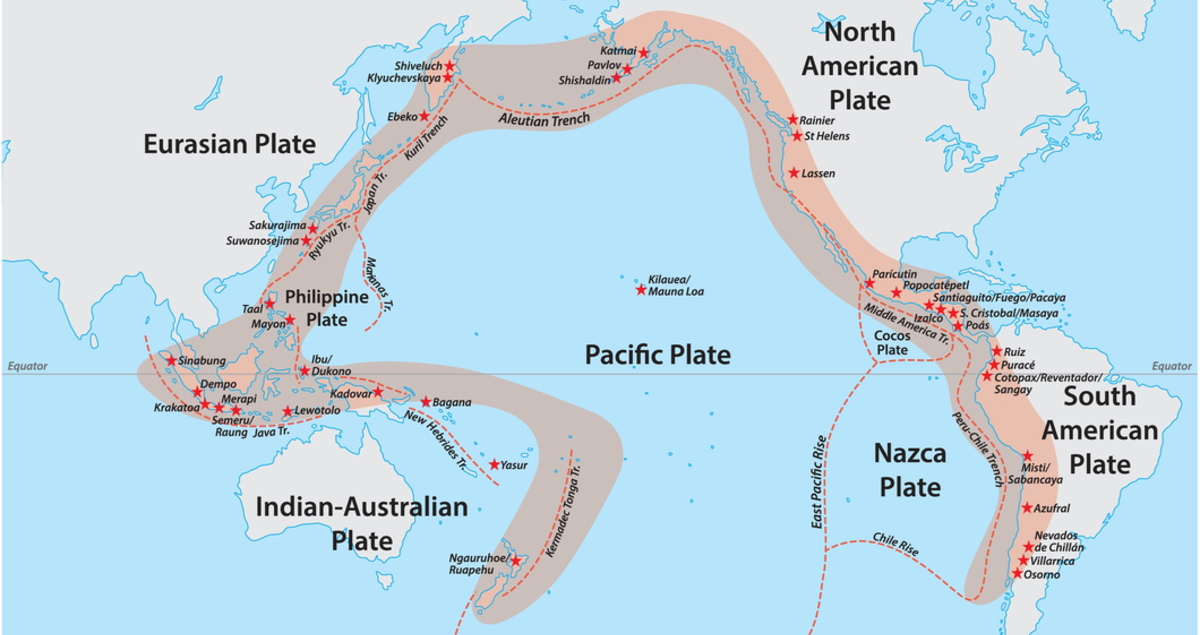
Harnessing the geothermal heat beneath our planet’s surface presents a reliable source of low-carbon energy, though it’s not universally available. The United States leads in geothermal energy with 2.67GW in capacity, yet 30% of the world’s total geothermal capacity lies in just two Southeast Asian nations: Indonesia (2.59GW) and the Philippines (1.95GW). These countries are strategically located near the ‘Ring of Fire’ volcanic zone in the Pacific Ocean, which is rich in geothermal resources.
Geothermal capacity is expected to expand in these ‘Ring of Fire’ nations as they aim to achieve decarbonization targets. Innovative technologies, including enhanced geothermal systems, are on the horizon, particularly in the US, where previously inaccessible deposits may soon be tapped.
Nuclear Power
Nuclear power saw a resurgence in popularity in the 1970s but suffered setbacks due to a series of accidents that tarnished its reputation. However, amidst the ongoing energy crisis and the transition toward net-zero emissions, nuclear power has made a comeback as a clean, cost-effective, and reliable energy source. Advancements in technology and improved reactor safety have fortified nuclear energy’s role.
The International Atomic Energy Agency reports that the US currently has the largest installed capacity of nuclear power plants at 97GW as of February 2025. France follows with 63GW and China with 55GW. However, the balance of power in nuclear energy could shift, as China is developing close to 30GW of new capacity and is poised to surpass the US by 2030 in terms of nuclear reactor fleet size.
The role of leaders in renewable electricity generation is critical as they work to build new low-carbon resources and guide less advanced nations toward achieving their energy goals by 2050.