
Duke Energy’s Advancements in Nuclear Power: A New Chapter at Belews Creek
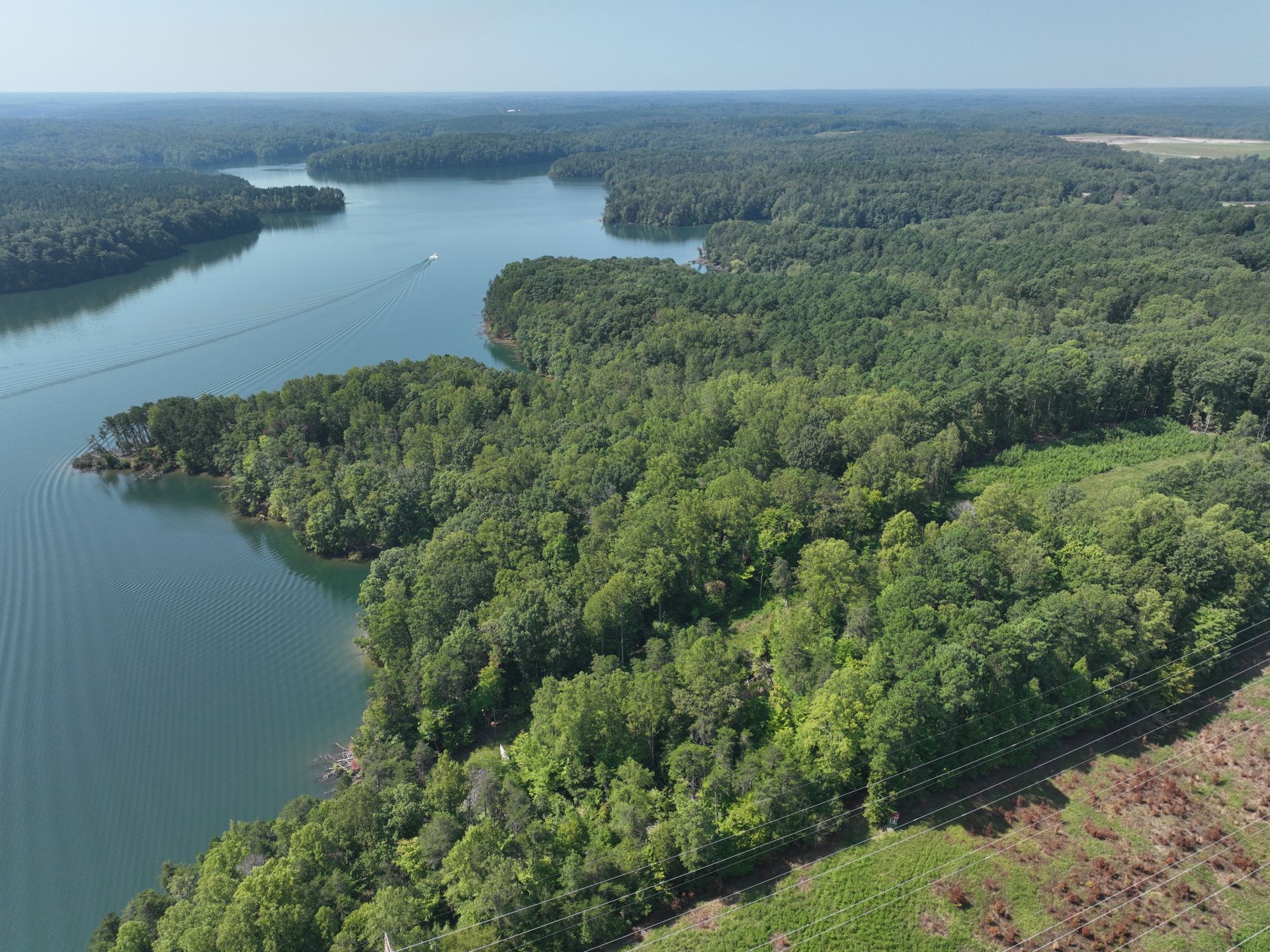
In a bold move that signals a renewed commitment to nuclear energy, Duke Energy recently made headlines with its submission of an Early Site Permit (ESP) application to the Nuclear Regulatory Commission (NRC). This application is aimed at paving the way for a potential new nuclear power site near the Belews Creek Steam Station, a facility that traditionally relied on coal and natural gas. This site in Stokes County, North Carolina, is at the forefront of a strategic shift towards nuclear energy, following an October announcement about the company’s investment plans.
The Basis of the Permit Application
Duke Energy’s ESP application stands out for its technology-neutral approach. This means that the company can receive the NRC’s approval without having committed to a specific reactor design. With six potential reactor technologies cited in the application, Duke seems poised to be flexible in its choices. Among these options are four small modular reactors (SMRs) and two non-light-water reactor designs, steering clear of large light-water reactor concepts like those already operational in the Carolinas.
The plans are ambitious: Duke aims to have 600 megawatts of new nuclear power operational by 2037, with the first of its SMRs expected to come online in 2036. The NRC’s overview indicates that the project will focus initially on a reactor rated at approximately 300 megawatts of gross electrical output, while a second reactor of similar capacity would help Duke reach its nuclear power objectives at the site.
Exploring Reactor Technologies
In an era of evolving energy technologies, the inclusion of both SMRs and non-light-water designs in the application reflects Duke’s awareness of the industry’s potential for innovation. Small modular reactors, designed to be manufactured off-site and assembled at their intended location, represent a flexible and safer approach to nuclear energy. Non-light-water technologies could open up new avenues for efficiency and sustainability in the nuclear sector, making this project a potential trendsetter in modern nuclear development.
However, it’s worth noting that the NRC’s investigation into Duke’s project still points towards a large light-water reactor, despite the company’s focus on alternative designs. This curious blend of technologies indicates an ongoing discussion within the company about the best ways to meet future energy demands while minimizing environmental impacts.
Navigating Uncertainties
Despite the positive strides represented by the ESP application, Duke Energy remains cautious. The company emphasized that its recent actions do not indicate a firm commitment to building new nuclear units just yet. Rather, the submission is part of a broader exploration of nuclear energy’s potential, reflecting a careful approach to licensing and regulatory requirements.
As Kelvin Henderson, Duke Energy’s chief nuclear officer, highlights, this endeavor is about risk mitigation. By resolving environmental and safety concerns upfront, the company aims to navigate the complexities of nuclear site development while also allowing its chosen technologies to mature.
Strategic Thinking for the Future
Duke’s strategic approach embodies a thoughtful balance between ambition and caution. The ESP process allows the company to advance discussions surrounding licensing while keeping options open for future projects. This calculated method serves as a testament to the intentionality that will characterize Duke’s foray into nuclear energy, a sector that has often faced regulatory, public, and technological challenges.
As Duke Energy embarks on this forward-looking journey, the implications extend beyond state borders. Investments in nuclear energy can potentially enhance energy independence, contribute to lower carbon emissions, and shape the future landscape of energy production in the United States.
In summary, Duke Energy’s actions at the Belews Creek site represent a significant chapter in the ongoing narrative of nuclear power in America. By exploring innovative technologies and adopting a strategic mindset, the company is positioning itself to adapt to new challenges and opportunities in the energy sector.