
The Promise of Renewable Energy: An In-Depth Look
Renewable energy is a transformative force powered by natural sources such as sunlight, wind, and water. These sources are either unlimited or replenish themselves continuously, unlike fossil fuels such as coal, oil, and gas, which take millions of years to form and are finite. The adverse effects of fossil fuels are clear—they contribute significantly to climate change, harm our environment, and adversely impact communities around the globe. In contrast, renewable energy offers a sustainable solution, producing little or no pollution and offering an affordable path toward a cleaner future. While addressing the climate crisis, renewable energy stands as the most intelligent option for powering our homes, cities, and communities.
1. Solar Energy
Solar energy is the fastest-growing renewable energy source globally. It harnesses the sun’s rays using solar panels, converting sunlight into electricity and heat. The cost of solar panels has plummeted by an impressive 93% since 2010, making it the most affordable source of new electricity in many regions. These panels can be easily installed on rooftops or in large solar farms, showcasing solar power’s versatility and abundance.
Communities around the world have benefited from solar energy, providing electricity to places like villages in Ghana and Uganda, while ensuring that communities in Puerto Rico and the Philippines can maintain power during climate disasters. The solar industry is also a significant job creator, employing over 4.9 million people globally in 2022, with women making up 40% of that workforce. Dominated by China, which produces nearly 78% of the world’s solar panels, the sector is making strides in bringing affordable electricity to previously fossil-dependent countries like Pakistan.
However, caution is required when scaling solar farms. It’s essential to involve local communities in decision-making processes, obtain their consent, and consider the impact on land and wildlife.
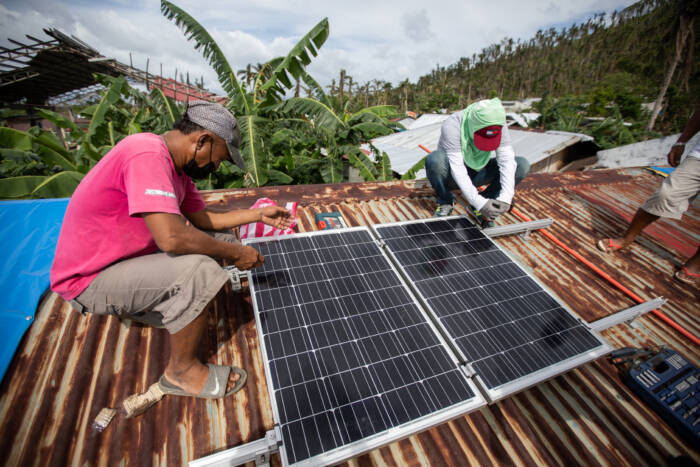
Communities in the Philippines install solar panels to gain power access during blackouts caused by hurricanes.
2. Wind Energy
Wind energy is another clean energy source witnessing rapid growth. Wind turbines convert moving air into electricity without generating pollution. Countries around the world are increasingly adopting wind power to meet their energy needs; Uruguay now generates 90% of its energy from wind, while Denmark achieves over half of its electricity through this means. In Canada, many communities own local wind farms, enhancing resilience to climate impacts such as hurricanes and channeling profits back into their neighborhoods.
Globally, the amount of energy generated from wind power is expected to increase tenfold by 2050. With collaborative efforts from local communities and stringent environmental assessments, sustainable wind projects can protect wildlife and ensure equitable distribution of benefits.
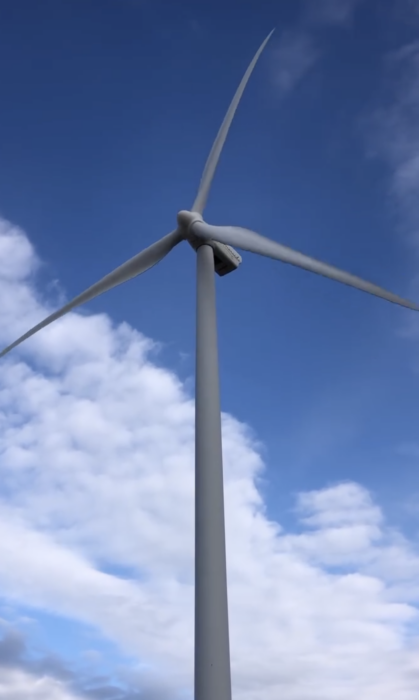
The city of Summerside in Canada has municipally-owned solar and wind farms that channel profits back into community resources, providing a more resilient power supply to residents.
3. Hydropower (Water Energy)
Hydropower is currently the largest renewable source of electricity worldwide. By utilizing the flow of water to spin turbines, electricity is generated with minimal environmental impact. Brazil and Nepal heavily rely on hydroelectric power for their energy needs. However, large dams have often caused significant ecological disruptions, displacing communities and affecting marine ecosystems.
Smaller hydro systems, notably micro and mini-hydro projects, provide valuable energy solutions with fewer risks, especially in remote communities. For instance, Indonesia has seen the positive impacts of micro-hydro projects, offering clean energy access to forest communities while minimizing ecological damage.

Mitigation projects include renewable energy adoption, like this community-driven micro-hydro power plant managed by grassroots organizations in Indonesia.
4. Geothermal Energy
Geothermal energy harnesses the heat from within the Earth, allowing for continuous power generation. Countries with volcanic activity, such as Kenya, derive over 40% of their electricity from geothermal sources, while Iceland extensively uses it to heat homes. Though reliable, geothermal projects require careful planning to avoid land and water contamination and reduce the risk of induced seismic activity.
Consultation with local communities and stringent impact assessments are critical to ensuring safety and sustainability.

A Geothermal Power Plant in Iceland. Photo: Gretar Ívarsson
5. Biomass Energy
Biomass energy involves burning organic materials, such as plant and animal waste, to generate electricity. While small-scale biomass projects can provide effective energy solutions for rural areas, large-scale industrial operations can lead to negative environmental impacts, including forest degradation and increased carbon emissions.
The expansion of biofuel crops, like those seen in Brazil, poses a significant threat to biodiversity and can contribute to food insecurity. Nations like India are exploring ways to modernize biomass energy production, striving for cleaner and safer practices.

Biomass plant in India. Photo: Shutterstock
Community-Led Solutions
Renewable energy sources like solar and wind, particularly when led by local communities, offer the best pathways for equitable energy access. While hydropower, geothermal, and biomass can play roles in a balanced energy mix, their development demands careful consideration of people’s rights and ecosystem integrity. If implemented correctly, renewables can significantly cut emissions, save money, provide reliable power, create jobs, and foster a more just and equitable world.
Sources
- Global Electricity Review 2024
- Solar Energy (IRENA)
- Six Reasons to Be Hopeful About the Future of Renewable Energy (350.org)
- Where Are Solar Panels Made? (Sunsave)
- Future of Wind: Deployment, investment, technology, grid integration and socio-economic aspects (IRENA, 2019)
- Hydroelectric Power: How It Works (USGS)
- What is Geothermal Power? (Eurelectric)
- What Are Potential Drawbacks of Geothermal? (Sustainability Directory)
- Bioenergy (ISO)
- Biomass Energy Threatens Southern Forests and Communities (SELC)